If you want a part of Tulsa that feels established, connected, and full of everyday options, Midtown usually rises to the top of the list. You may be looking for historic homes, easier access to parks and dining, or a neighborhood that feels central without feeling exactly like downtown. This guide will help you understand what Midtown Tulsa is really like day to day, from housing style to walkability to commute patterns. Let’s dive in.
Midtown Tulsa at a glance
Midtown Tulsa is less of one single neighborhood and more of a broad central region. The City of Tulsa groups Midtown around ZIP codes 74103, 74104, 74105, 74112, 74114, 74119, 74120, 74135, and 74145, with a 2022 population of 127,368.
That broad footprint helps explain why Midtown can feel different from one area to the next. In one direction, you may find older residential streets and historic homes. In another, you are close to restaurant corridors, parks, cultural destinations, and quick access to downtown.
Midtown lifestyle feels varied
One of Midtown’s biggest strengths is variety. You are not getting a one-note experience here. Instead, you get a mix of quieter blocks, active commercial pockets, and some of Tulsa’s best-known gathering places.
Local sources consistently connect the Midtown experience with Cherry Street, Brookside, Utica Square, Maple Ridge, Swan Lake, Gathering Place, Philbrook Museum of Art, and nearby downtown access. That means your daily routine can look very different depending on which pocket of Midtown you choose.
Cherry Street energy
Cherry Street stands out as one of Midtown’s most active lifestyle corridors. Visit Tulsa describes it as a restaurant-heavy district with around 20 eateries, many locally owned, along with antique and collectible boutiques and nearby residential blocks.
For you, that can mean easy brunch spots, casual dinners, and convenient evening plans close to home. It also helps explain why this area often feels more energetic and pedestrian-friendly than a purely residential section of Midtown.
Brookside neighborhood feel
Brookside offers a slightly different rhythm. It is described as a live-work-play district with casual dining, boutiques, and a cozy café environment, plus close proximity to Gathering Place.
If you want a neighborhood-oriented pocket with local businesses nearby, Brookside may feel like a strong fit. It tends to balance activity and convenience without reading quite as restaurant-centered as Cherry Street.
Utica Square polish
Utica Square adds another layer to Midtown living. It offers an outdoor shopping experience with landscaping, fountains, and a mix of local and national retail and restaurants.
That gives Midtown a more curated, destination-style option for shopping and dining. If you enjoy having polished commercial spaces nearby, this part of the Midtown experience can be a major plus.
Homes in Midtown Tulsa
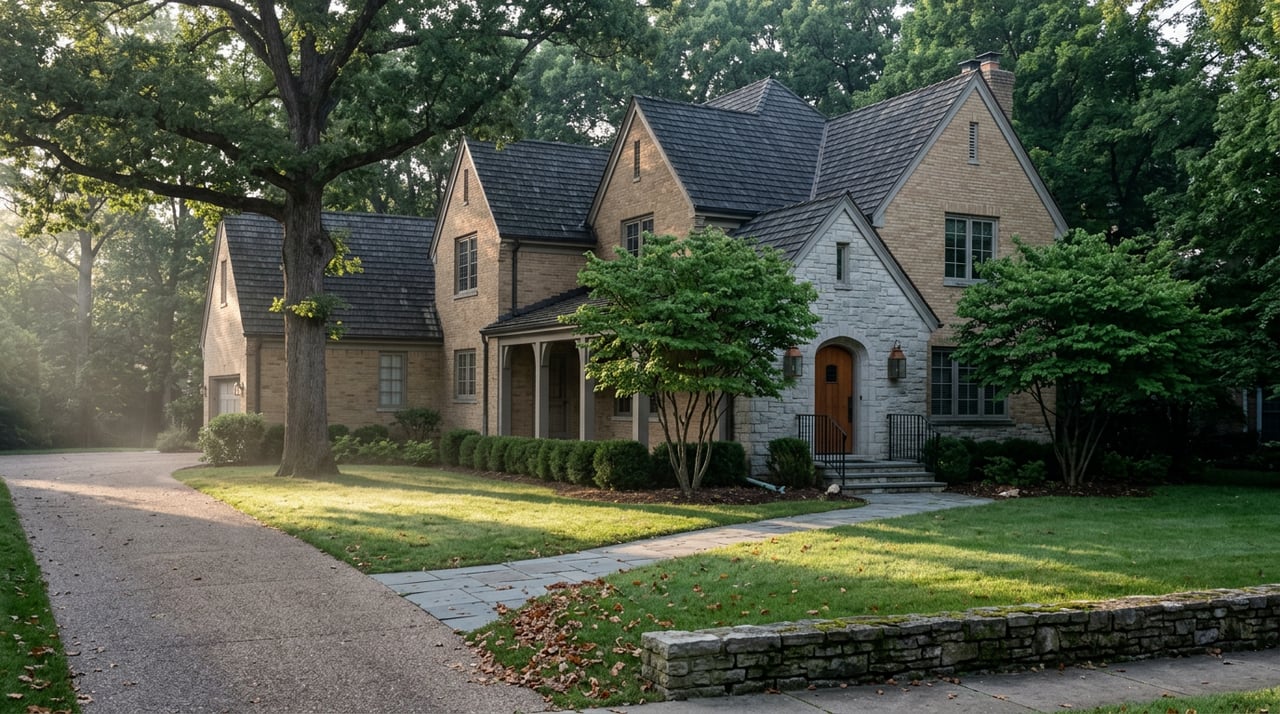
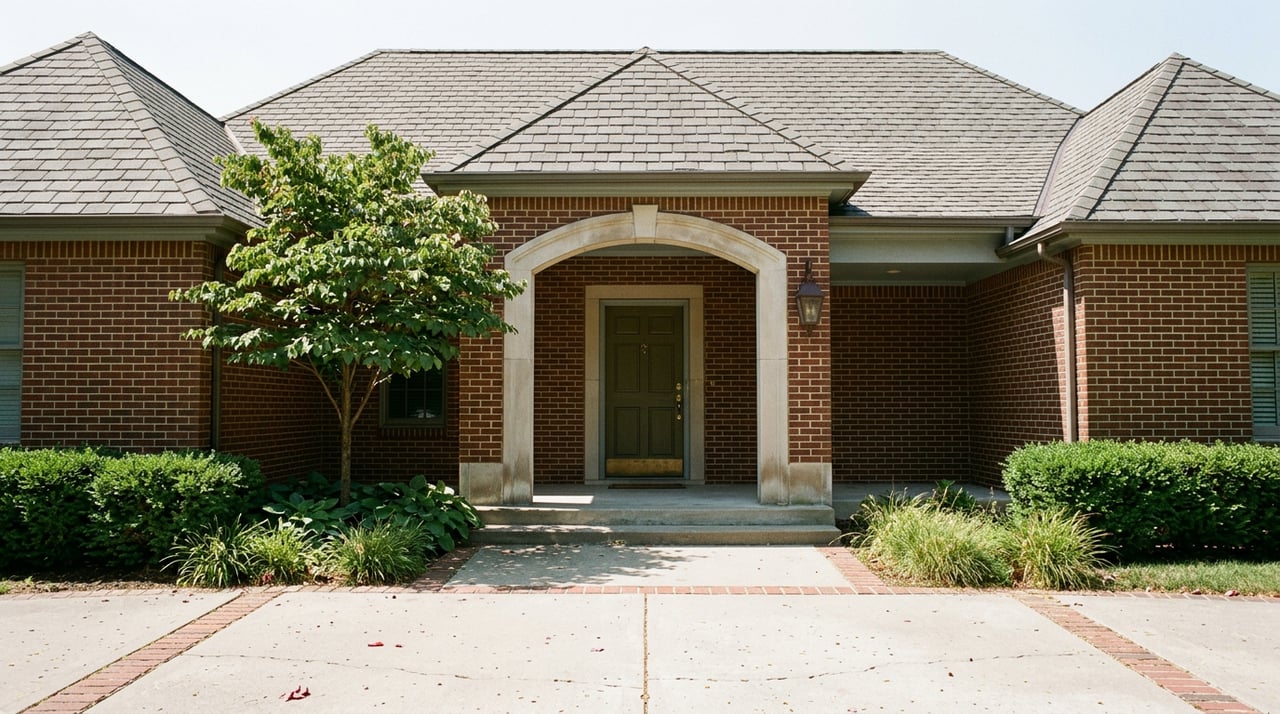
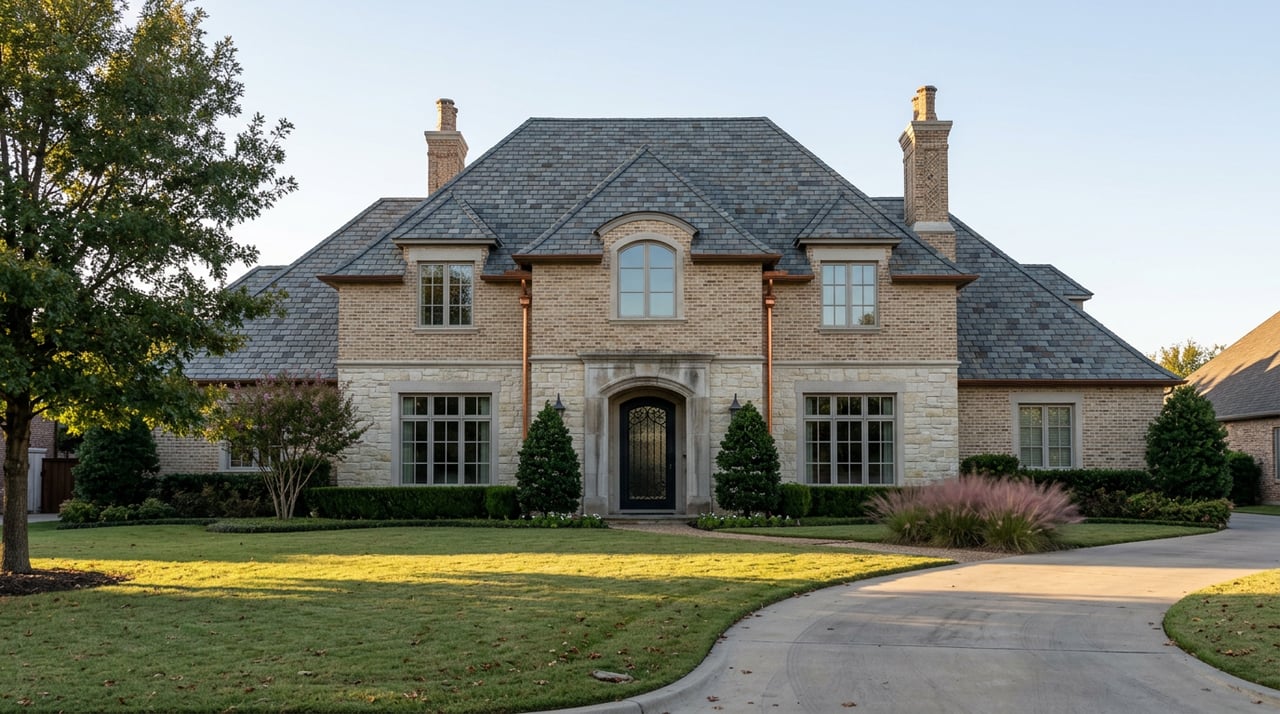
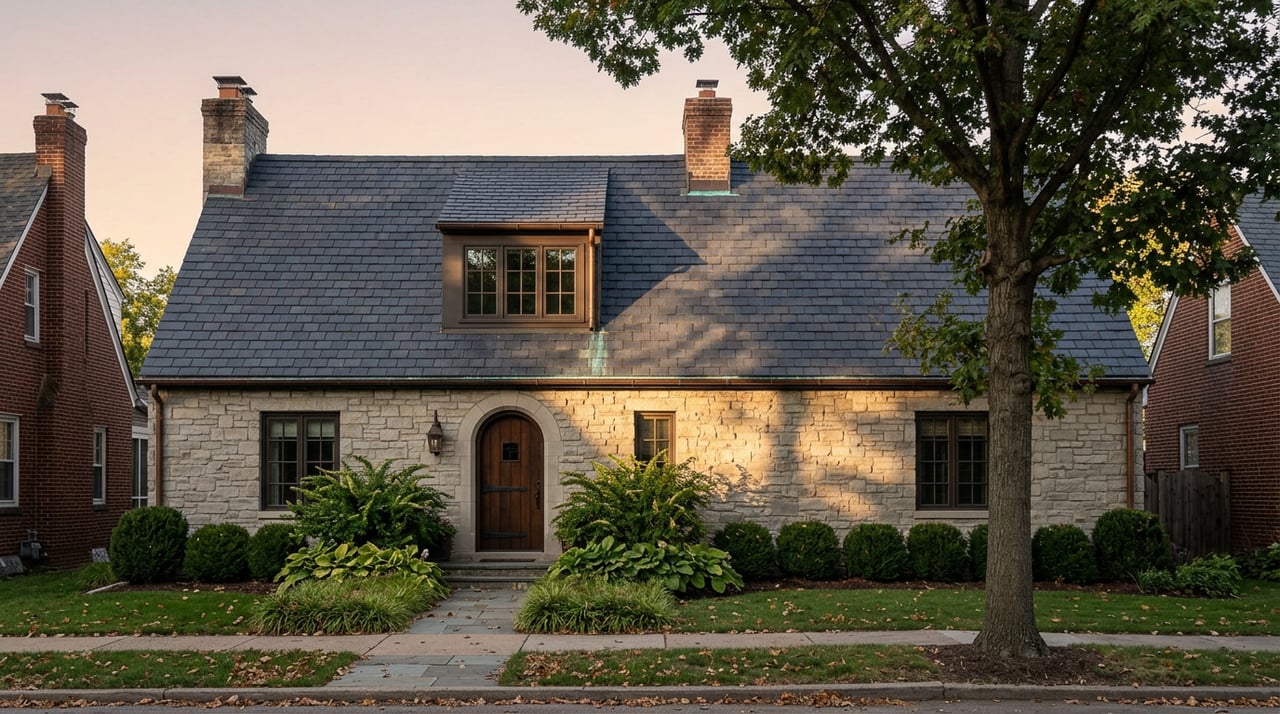
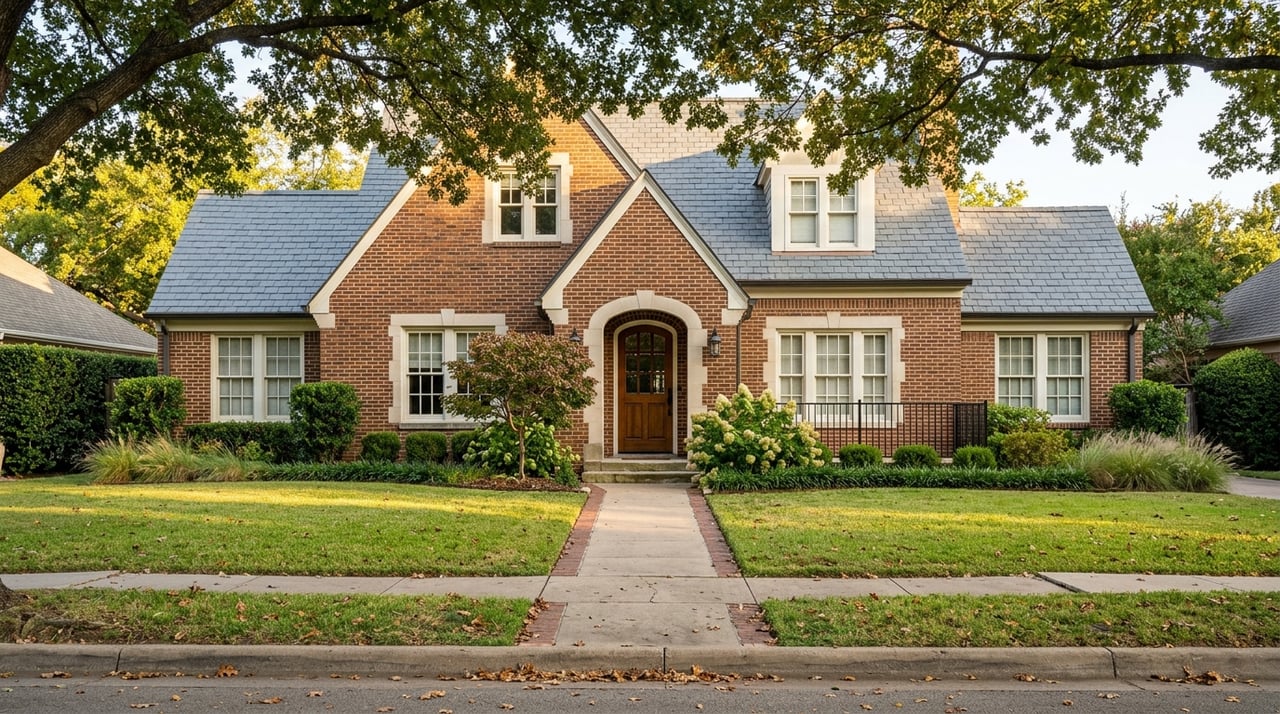
If housing character matters to you, Midtown has a lot to offer. The area is known for older streetscapes, mature trees, and architectural variety rather than rows of lookalike new builds.
That character is especially visible in historic neighborhoods like Maple Ridge and Swan Lake. These areas help define what many buyers picture when they think about classic Midtown Tulsa living.
Maple Ridge architecture
Maple Ridge is one of Midtown’s signature historic districts. The National Park Service describes it as a predominately single-family residential area with roughly 700 homes built from 1913 to 1932.
Styles in Maple Ridge include Italianate, Georgian Revival, Colonial Revival, Tudor, Prairie, Bungalow, and Cottage. If you are drawn to tree-lined avenues and homes with distinct design details, Maple Ridge shows why Midtown appeals to buyers who want more than a standard floor plan.
Swan Lake character
Swan Lake is another standout Midtown neighborhood with a strong historic identity. The National Register listing identifies styles such as Bungalow/Craftsman, Tudor Revival, and Colonial Revival.
The City of Tulsa also notes that Swan Lake was one of Tulsa’s first suburban developments and restored the Swan Lake fountain and pond system in 2024. For buyers, that adds to the sense of place that many Midtown neighborhoods are known for.
Parks and outdoor access
Midtown is especially appealing if you want outdoor space woven into daily life. This is one of the area’s clearest lifestyle advantages.
Gathering Place is a major anchor nearby. According to Gathering Place, the park’s first phase opened at 66.5 acres, there is no entry fee, and visitors can reach it by walking or biking through River Parks trails.
River Parks adds even more flexibility to that outdoor routine. It maintains 26 miles of asphalt trails along the Arkansas River and also offers activities such as fishing, rowing, kayaking, disc golf, and access to Turkey Mountain’s dirt trails.
For you, this can translate into more than just occasional weekend use. It can mean morning walks, bike rides, family outings, or an easy way to spend time outside without planning a full day trip.
Arts and culture nearby
Midtown also puts you close to cultural destinations that help shape the area’s identity. Philbrook Museum of Art is one of the most notable examples.
Its official visit information places the museum at 2727 S. Rockford Rd. in Tulsa. Philbrook also notes that Tulsa Transit riders can take the 700 bus to 31st Street and walk north to the museum, which adds useful context if you are thinking about accessibility beyond driving.
Having places like Philbrook nearby adds depth to Midtown living. It is not just about housing or restaurants. It is also about being close to spaces that make free time feel fuller and more connected to the city.
Is Midtown Tulsa walkable?
In the most active districts, Midtown can feel quite walkable. Cherry Street, Brookside, and Utica Square are the clearest examples of places where you can park once and accomplish several things on foot.
Residential areas like Maple Ridge or Swan Lake tend to feel more neighborhood-scaled than urban-core. That usually means pleasant streets and established surroundings, but not the same concentration of storefronts you would see in the busier corridors.
The City of Tulsa’s 15th Street project also supports this pattern. The city says the project between Utica and Peoria restored two-way traffic, returned on-street parking, and added six crosswalks with rapid-flashing beacons, helping explain why Cherry Street and nearby areas feel more usable for pedestrians.
Can you live in Midtown without driving everywhere?
Midtown is best described as transit-optional rather than transit-dependent. Some trips can work well with public transit, biking, or walking, especially if you live near one of the more active corridors.
Downtown Tulsa Partnership says MetroLink Tulsa and Aero BRT connect the city to downtown. Midtown Memorial Station serves as a key Midtown-Downtown connection point, and Aero runs every 20 minutes on weekdays and every 30 minutes on Sundays along the Peoria corridor.
At the same time, official transportation information points more to hubs and corridors than a fully car-free environment. In practical terms, you may be able to reduce how often you drive, but many residents will still find a car useful for at least part of their routine.
Commutes and central access
A big reason people consider Midtown is its central location. Living here can put you closer to several important Tulsa destinations without requiring a long cross-city commute.
Midtown sits near downtown, the medical corridor, and the university area. Saint Francis says its health system is anchored by Saint Francis Hospital at 6161 S. Yale Ave., Ascension lists Ascension St. John Medical Center at 1923 S. Utica Ave., and The University of Tulsa’s official address is 800 S. Tucker Drive.
If you work in healthcare, education, or downtown business areas, that central placement may be a real advantage. Even if your job is elsewhere in Tulsa, Midtown often makes it easier to stay connected to the city’s core activity centers.
Who Midtown fits best
Midtown often works best for buyers who want character, convenience, and variety in one part of Tulsa. If you like established neighborhoods, mature landscaping, and easy access to parks and local dining, this area checks many of those boxes.
It can also appeal to buyers who want choices within a relatively small area. You may prefer a quieter historic block, or you may want to be closer to a more active corridor. Midtown gives you room to narrow in on the lifestyle that fits you best.
The main tradeoff is that the most popular areas can come with more traffic and parking pressure. For many buyers, that tradeoff is worth it because of the access, personality, and amenities Midtown offers.
If you are comparing Tulsa neighborhoods, Midtown is one of the clearest examples of a place that feels central, established, and amenity-rich without being one-size-fits-all.
If you are thinking about buying or selling in Midtown Tulsa, The Bradshaw Group can help you compare neighborhoods, understand local market nuances, and find the right fit for your lifestyle and goals.
FAQs
What is Midtown Tulsa known for?
- Midtown Tulsa is known for historic neighborhoods, mature trees, dining districts like Cherry Street and Brookside, outdoor access through Gathering Place and River Parks, and a central location near downtown and other major Tulsa destinations.
What kinds of homes are in Midtown Tulsa?
- Midtown Tulsa is known for older homes with architectural variety, especially in areas like Maple Ridge and Swan Lake, where styles include Tudor, Colonial Revival, Bungalow, Cottage, Prairie, and Craftsman influences.
Is Midtown Tulsa walkable for daily errands?
- Midtown Tulsa has walkable pockets, especially in Cherry Street, Brookside, and Utica Square, while many residential sections feel more neighborhood-scaled and may require a short drive for some errands.
Can you use public transit in Midtown Tulsa?
- Midtown Tulsa has access to transit corridors and hubs, including Midtown Memorial Station and the Aero BRT along Peoria, so some trips can work without a car, but many residents still find driving helpful.
Is Midtown Tulsa good for outdoor activities?
- Midtown Tulsa offers strong outdoor access thanks to Gathering Place, River Parks’ 26 miles of asphalt trails, and nearby recreation options like kayaking, disc golf, and Turkey Mountain trails.